A City That Couldn’t Look Away
New York City is no stranger to spectacle. From Times Square’s dazzling neon billboards to midnight product launches that bring crowds into the streets, the city thrives on lights, noise, and drama. But last night, something different happened — something that blended grief, politics, technology, and the unmistakable stamp of Elon Musk.
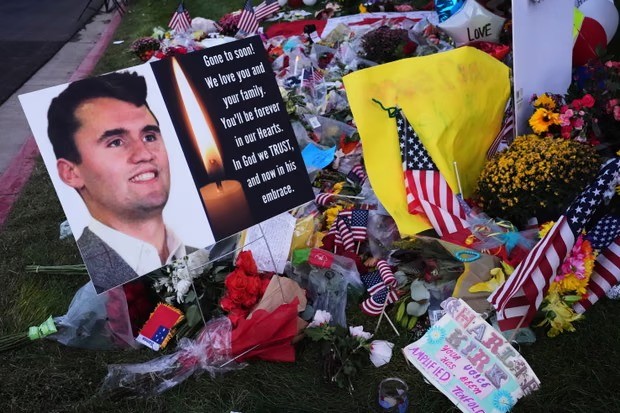
As the sun set, giant digital screens in Times Square flickered, not with the usual advertisements for fashion, Broadway shows, or tech gadgets, but with the solemn black-and-white image of conservative commentator Charlie Kirk, who was killed earlier this year in shocking circumstances that continue to dominate the national conversation.
The image dissolved into a feature-length documentary-style tribute film — part biography, part political message, part elegy — which Musk himself later confirmed had been financed and distributed by his companies. For more than an hour, New Yorkers stood transfixed, watching scenes from Kirk’s life, his rise in conservative media, his fiery speeches at Turning Point USA rallies, and quiet interviews with family and allies.
And then came the moment that has set social media on fire: Musk’s next statement, broadcast at the end of the film, promising something that observers are calling nothing short of historic.
Musk’s Unexpected Tribute
The event began without warning. Screens controlled by advertising conglomerates around Manhattan — some of them owned through Musk’s network of partnerships — suddenly switched at 8:00 p.m. to the words:
“In Memory of Charlie Kirk (1983–2025)”
Crowds gasped. Some cheered. Others simply stared. Traffic slowed to a crawl as drivers honked horns, confused by the sudden blackout of consumer ads and the flood of images of a man who, while adored by many, remained deeply controversial.
The film itself, titled “Freedom’s Voice: The Charlie Kirk Story”, played in full, with narration describing Kirk as a “fighter for traditional values” and “a visionary silenced too soon.”
Onlookers pulled out phones, live-streaming the broadcast to millions of viewers worldwide. Within minutes, the hashtag #MuskKirkTribute trended globally.

The Final Scene — and Musk’s Promise
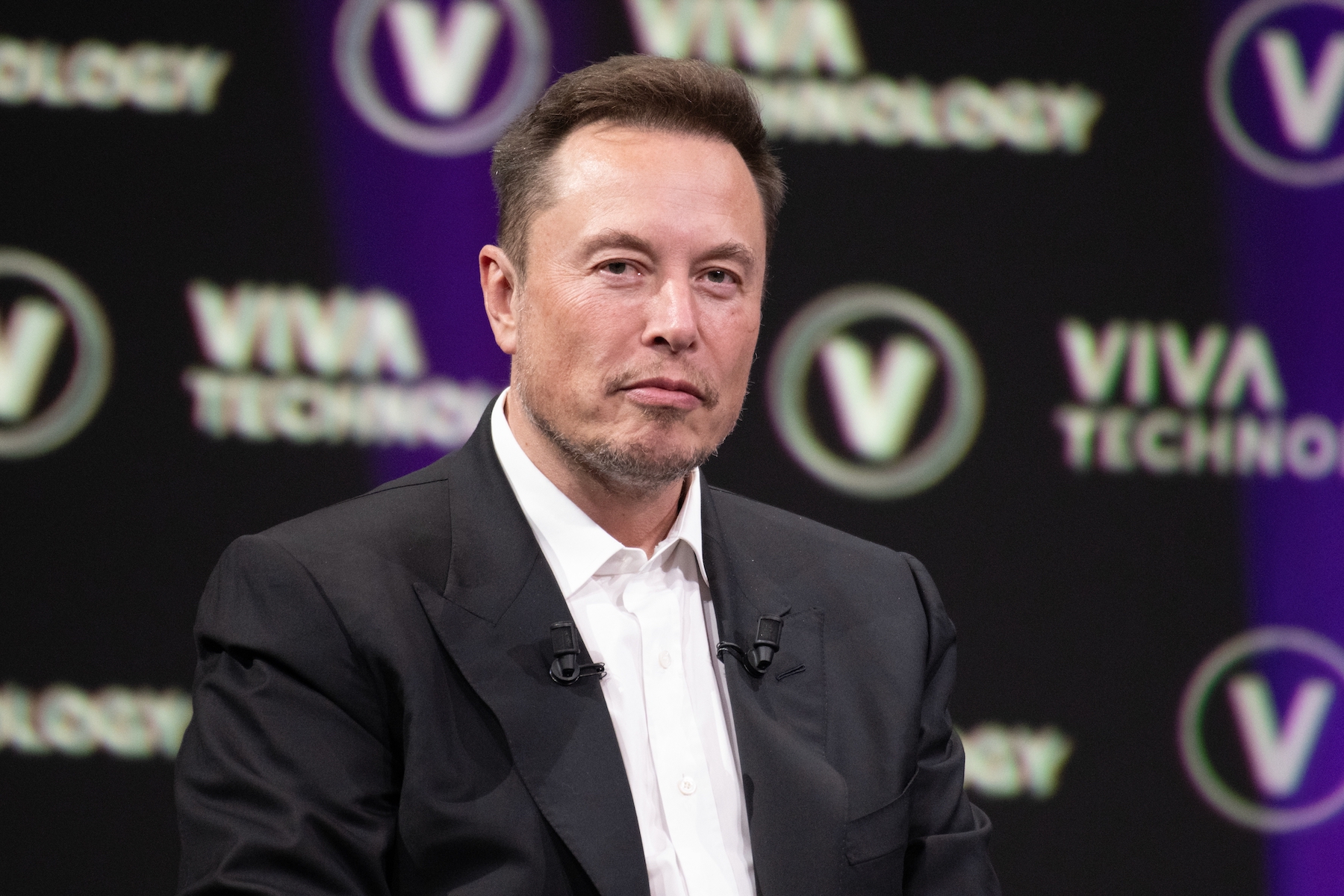
When the credits rolled, most expected the screens to fade back to commercial life. Instead, Elon Musk appeared on screen, speaking directly to the camera in his trademark calm, matter-of-fact tone.
“This is not the end,” Musk said. “It is the beginning. Charlie believed that one voice can ignite a generation. My promise tonight is simple: I will ensure that his voice is never silenced, and that his vision becomes a foundation for something greater.”
He paused, then delivered the words that lit up the internet like a storm:
“By the end of this year, we will launch the Freedom Network — a platform unlike anything seen before. It will combine truth, technology, and the spirit of independence Charlie lived for. And it will belong to the people, not the elites.”
The screens cut to black.
Times Square erupted into chaos — cheers, confusion, debates breaking out on sidewalks. Online, speculation exploded: Was Musk announcing a new media company? A political movement? A blockchain-powered communications system? Or something even more radical?
Social Media Meltdown
Within minutes of Musk’s declaration, Twitter (or X, as Musk insists on calling it) became a battlefield of hot takes.
Supporters hailed Musk as a visionary carrying Kirk’s torch into the digital age.
Critics accused him of exploiting Kirk’s death to push his personal political agenda.
Tech analysts dissected the cryptic promise of a “Freedom Network,” debating whether it hinted at a fusion of social media, decentralized finance, and live-streaming technology.
One viral tweet summed up the frenzy:
“Elon Musk just hijacked New York’s billboards, canonized Charlie Kirk, and declared the birth of some kind of techno-political empire. 2025 officially jumped the shark.”
Memes flooded Instagram and TikTok: Kirk’s face superimposed over the Statue of Liberty, Musk dressed as a revolutionary, and mock trailers for “Elon+Charlie: The Movie.”
A Divided Public
For some, Musk’s tribute was moving, even cathartic. Conservative groups praised him for honoring Kirk in a way that mainstream media outlets, they claim, never would.
“Charlie gave his life to wake up America,” said one Turning Point USA spokesperson. “Elon Musk is giving him the platform he deserves.”
For others, the display was unsettling. Civil liberties activists questioned the precedent of one billionaire controlling vast swathes of public advertising space to broadcast political content.
“It’s a chilling example of how wealth can bypass democratic debate,” said Dr. Felicia Raymond, a media ethics professor at NYU. “We’re watching propaganda in real time, wrapped in grief.”
What Is the Freedom Network?
Details remain scarce, but Musk’s companies have filed at least three trademarks in the past two months containing variations of the phrase “Freedom Network,” according to intellectual property databases.
One describes a “decentralized content-sharing system”.
Another references “encrypted communication technologies”.
A third includes “financial tools for creators and citizens.”
Some experts believe Musk plans to merge elements of X, Starlink, and his AI ventures into a single ecosystem — a global platform immune to government censorship and independent of traditional infrastructure.
“Think about it,” said tech futurist Anya Patel. “Starlink provides the internet. X provides the community. Neuralink and AI provide personalization. If he integrates them, Musk could build a sovereign digital nation — with Kirk as its symbolic founder.”
Political Reverberations
Musk’s move is already reverberating through Washington. Several Republican lawmakers applauded the tribute, framing it as a defense of free speech.
Senator Josh Hawley tweeted:
“Elon Musk is doing what the establishment media won’t: preserving Charlie’s legacy and giving Americans a platform for truth.”
Democrats, however, were quick to sound alarms. Congresswoman Alexandria Ocasio-Cortez posted:
“Imagine one billionaire hijacking every screen in NYC to push his political agenda. This isn’t free speech. It’s oligarchy.”
The White House issued a measured statement, noting it was “monitoring the situation” but declined further comment.
On the Streets of New York
For ordinary New Yorkers, the experience was surreal.
“I was on my way to meet friends for ramen when suddenly, boom — no more Nike ads, no more Broadway signs, just Charlie Kirk’s face staring down at me,” said Julian Ross, a 27-year-old software engineer. “Honestly? Creepy.”
But not everyone agreed.
“I thought it was beautiful,” said Margaret Doyle, 61, who paused in Times Square to watch the entire film. “Charlie stood for values that matter. And Musk has the courage to put it on the biggest stage in the world.”
Musk Breaks His Silence (Again)
At 3:00 a.m., Musk returned to X, posting a simple message:
“Freedom Network coming soon. For Charlie. For all of us.”
Within two hours, the post had 45 million views and nearly 2 million likes. Replies ranged from worshipful devotion to furious backlash.
One particularly cryptic reply from Musk himself read:
“What comes next will make X look like dial-up.”
Analysts Warn of a Bigger Game
Behind the headlines, analysts warn that Musk’s tribute may be less about honoring Kirk and more about testing his ability to control narratives.
“Last night was a proof of concept,” said media strategist Rachel Kim. “He showed he could override the attention economy, dominate the biggest city in America, and set the world talking overnight. The Freedom Network may be the product — but control of attention is the real prize.”
Some speculate Musk may be positioning himself for a political role. While he has repeatedly denied ambitions to run for office, others argue his actions suggest otherwise.
“Elon Musk doesn’t need to be president,” said political scientist Marcus Levine. “He can be something more dangerous: the man who controls the platforms presidents rely on.”
The Kirk Factor
What makes Musk’s tribute particularly potent is the symbolism of Charlie Kirk himself. To millions of young conservatives, Kirk represented defiance against progressive orthodoxy and the mainstream press. To critics, he was a polarizing figure who thrived on outrage.
By binding Kirk’s memory to his own vision, Musk may have successfully fused technological ambition with cultural politics in a way few could have predicted.
“It’s the myth-making that matters,” explained historian Dr. Carmen Varela. “Kirk becomes more than a man — he becomes a martyr. And Musk positions himself as the keeper of that flame.”
What Happens Next?
As September winds down, the tribute film is scheduled to remain on rotation across New York’s digital billboards, with Musk confirming that the campaign will expand to other cities including Dallas, Miami, and Los Angeles.
Meanwhile, tech insiders whisper that a major announcement about the Freedom Network is slated for Musk’s annual “Vision” event in October.
Whether it will be a new app, a blockchain-based society, or simply a political movement disguised as tech remains unclear.
But one thing is certain: Musk has once again seized the spotlight, reshaping the national conversation around grief, politics, and the power of technology.
Conclusion: A New Era of Influence
In the end, Elon Musk’s tribute to Charlie Kirk was more than a memorial. It was a demonstration of power — the ability to hijack a city, command global attention, and tie the death of a polarizing figure to the birth of something that could redefine how billions communicate.
Supporters see him as a visionary honoring a fallen hero. Critics see a billionaire edging closer to unchecked dominance.
But as the final frames of Musk’s promise echo across New York, one fact remains undeniable: the world is watching, waiting, and arguing — and Musk wouldn’t want it any other way.